So I was thinking about how many folks in the Solana ecosystem get overwhelmed when it comes to validator selection and integrating hardware wallets. It’s kinda like walking into a candy store but not knowing what’s safe or tasty. Seriously, with staking rewards on the line and DeFi protocols evolving fast, your choices can feel like a minefield. And, wow, the options for portfolio tracking just add another layer of complexity—sometimes too much, honestly.
Here’s the thing. When you first dive into Solana staking, you might just pick a validator based on their name or flashy website. I’ve been there myself—just going with the flow without digging deeper. But gut feeling? Something felt off about relying only on surface-level info, especially with all the recent validator slashing stories. It made me slow down and really think about what criteria matter most.
On one hand, you want a validator with solid uptime and a strong reputation. Though actually, it’s not just about uptime. Community involvement, decentralization efforts, and transparency are huge. Initially, I thought uptime was king, but then I realized validators who actively engage with the network and their delegators tend to be more trustworthy long term.
Wow! The more I looked, the more I saw that picking your validator wasn’t just a technical decision—it was a vote on Solana’s future health. And if you’re staking a sizable chunk, that vote carries weight. Plus, if your validator messes up, your rewards—or worse—could take a hit. Yeah, I know, that bugs me too.
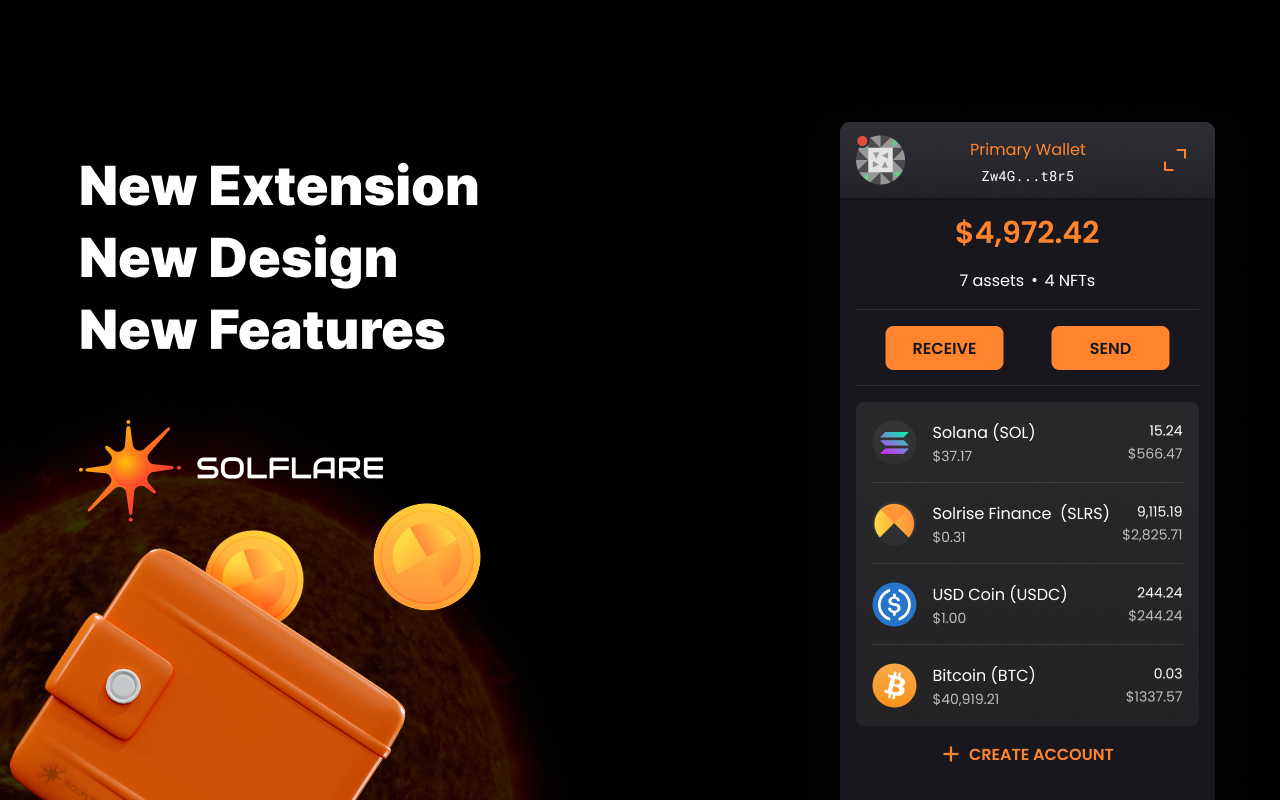
Okay, so check this out—hardware wallet integration is another beast altogether. Most people swear by cold storage for security, but plugging that into the Solana ecosystem isn’t always straightforward. I’m biased, but I found solflare to be a pretty seamless solution. It strikes that tricky balance between convenience and safety, especially when you’re juggling staking and DeFi apps.
Honestly, using a hardware wallet with solflare felt like night and day compared to hot wallets alone. You get that extra peace of mind, knowing your private keys aren’t floating on some server somewhere. But, here’s the hitch—sometimes the UX can feel clunky, and if you’re not patient with setup steps, it’s easy to get frustrated.
Something I’ve learned the hard way: don’t rush the integration. Take your time to understand how your hardware wallet communicates with the network. For example, the Ledger Nano compatibility with solflare was initially confusing for me because of firmware updates and app versions. It’s very very important to keep everything updated, or else transactions get stuck.
Hmm… I remember one time when my staking rewards didn’t show up immediately. At first, I thought it was a glitch in solflare, but actually it was a delay in validator payout cycles. So yeah, patience is key. Also, always double-check that your validator supports the hardware wallet you’re using; not all of them do.
Now, about portfolio tracking—ugh, this part can get overwhelming fast. I tried a few apps that promised to consolidate my Solana tokens, NFTs, and staking positions, but most either missed some assets or had latency issues. What I really appreciate about solflare is its built-in portfolio overview that syncs directly with your wallet. No extra app hopping needed.
That said, it’s not perfect. Sometimes the UI feels a bit crowded, especially when you’re managing multiple staking accounts and DeFi positions. Plus, real-time price feeds can lag, which messes with quick decision-making. Still, having everything under one roof is a major win in my book.
Okay, so here’s a little story that might resonate. My buddy was super cautious about delegating his SOL because he worried about slashing penalties. He ended up picking a validator based purely on community votes—thinking “crowd wisdom” would keep him safe. But then his staking rewards fell short because that validator had intermittent downtime. Lesson learned: don’t just follow the herd. Dig into validator stats and history.
On the flip side, I once delegated to a lesser-known validator who actively engaged on Discord, answered questions, and posted weekly performance updates. It felt more personal, like being part of a team rather than just a number on a dashboard. That relationship made me feel more confident, even when the network hit congestion.
Well, I’m not 100% sure if that kind of personal validator connection is feasible for everyone, but it sure beats blindly trusting an anonymous entity. Plus, with tools like solflare’s wallet extension, it’s easier to switch validators without jumping through hoops—though keep in mind staking cooldowns can bite if you’re impatient.
Check this out—validating these stats regularly can save you from nasty surprises. You don’t want your hard-earned SOL locked up with a validator that’s prone to downtime or worse, malicious behavior.
Why Validator Selection, Hardware Wallet Integration, and Portfolio Tracking Are All Connected
At first glance, these might seem like separate puzzles. But actually, they’re tightly intertwined. Your choice of validator affects your staking rewards, which in turn influences your portfolio value. Meanwhile, how you secure your wallet—preferably with hardware—directly impacts your exposure to hacking risks.
And portfolio tracking isn’t just vanity; it’s essential for staying on top of your investments, especially when you’re active in DeFi. You need to know when to re-stake rewards, when to switch validators, or when to rebalance tokens. I find that solflare’s integration across these areas reduces friction and keeps things sane.
Still, the crypto space moves fast. Yesterday’s best validator might falter tomorrow, and new hardware wallet models emerge yearly. So my instinct says you gotta stay curious and flexible. Don’t “set it and forget it.”
Here’s what bugs me about some staking setups—they paint it as a “set it and forget it” deal, but that’s just not how things roll in crypto. The landscape shifts, sometimes overnight. Your validator might get slashed, or a new wallet integration could offer better security. So staying engaged is part of the game.
Before I wrap up, if you’re looking for a straightforward, secure way to manage all this complexity, I really recommend giving solflare a spin. It’s not perfect, but it’s one of the few that balances usability with the kind of security and validator functionality that serious Solana users need.
Alright, that was a lot. I started out curious and a bit overwhelmed, but now I feel a bit more confident, though there’s always more to learn. Maybe that’s the real takeaway—staking and wallet security aren’t one-and-done deals. They’re ongoing conversations with your crypto self.
Dodaj komentarz